

High Energy Costs Means Insulation Is Vital and A Thermal Imaging/Infra-red Camera Spots Where Heat Loss Occurs. Here Are Our Top Thermal Imaging Tips.
Understanding where heat escapes from your home is crucial for energy efficiency and comfort. Thermal imaging provides valuable insights, allowing homeowners to identify areas of heat loss and take informed steps to address them.
Thermal Imaging cameras are now available at a low cost, some cost less than £100. And in some areas, such as Sidmouth, free imaging schemes operate. https://sidmouth.gov.uk/thermal- imaging-infra-red-domestic-residence-survey-request/
What is Thermal Imaging?
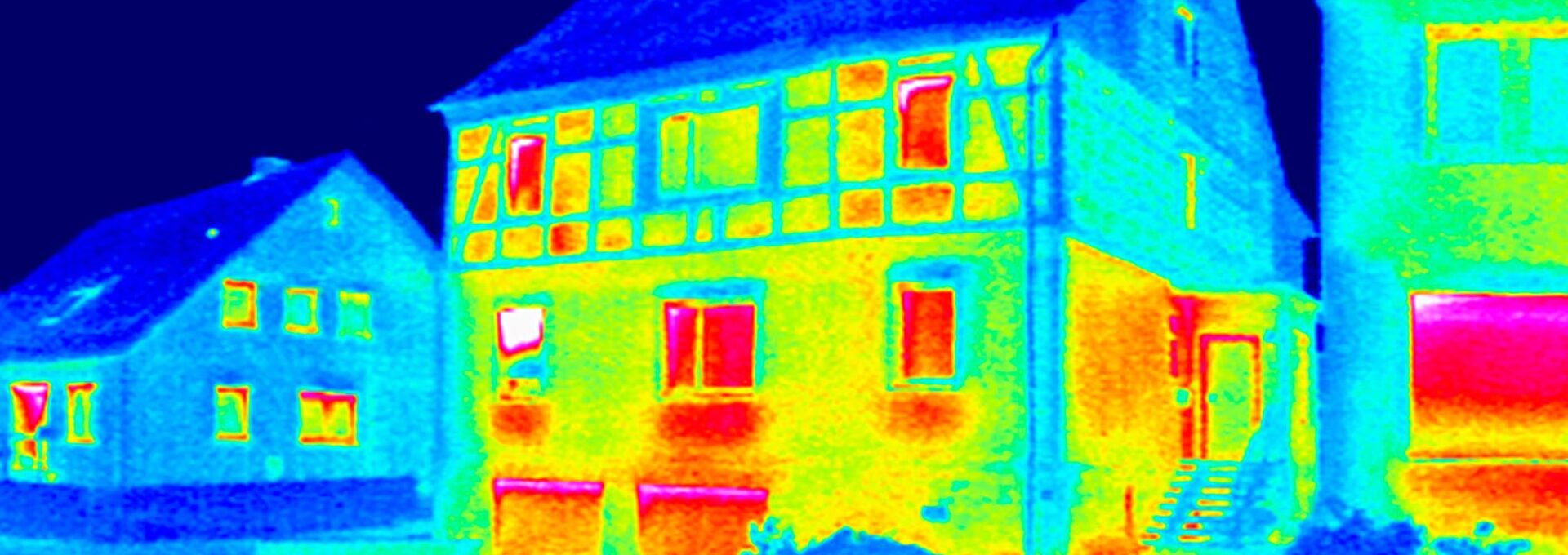
Thermal imaging involves using an infrared camera to capture the heat radiation emitted by objects. By analysing these thermal patterns, you can pinpoint areas of temperature variation in your home. 
Why is it Important?
Detecting heat loss is essential for optimising energy consumption, reducing utility bills, and enhancing overall comfort. Thermal imaging can reveal hidden issues that may contribute to increased energy usage.
Conducting a Thermal Scan
Schedule a professional thermal imaging inspection or rent a thermal camera. Conduct your scans during colder months when temperature differences between indoors and outdoors are more pronounced. Early morning surveys are preferred when heating has been running for a while but outdoor temperatures are still cold. Try to avoid times when the sun is shining on buildings as the thermal gain can give false readings.
Key Areas to Focus On
a. Windows and Doors: Check for gaps, poor seals, or inefficient glazing.
b. Walls: Identify areas with temperature differences, indicating potential insulation issues.
c. Roof: Look for heat loss through insufficient/missing insulation or damaged roofing materials.
d. Floors: Inspect for gaps, especially in areas with crawl spaces or basements.
Interpreting the Results
Cold spots on the thermal image indicate potential heat loss. Pay attention to temperature differences and prioritise addressing the most significant issues. Check out the temperature scale illustrating some of colour palette that will help highlight the scale of temperature variations with your property.

Addressing Heat Loss
a. Seal Gaps: Use weatherstripping or waterproof sealant to seal gaps around windows and doors.
b. Insulate: Enhance insulation in floors, walls, ceiling/roofs to minimise cold bridging.
c. Upgrade Windows: Consider installing energy-efficient windows to reduce heat loss.
d. Roof Maintenance: Ensure sufficient insulation is installed and address any damaged roofing materials.
e. Optimise HVAC Systems – By knowing where your heat loss and how much it is, you can determine the correct specification of Heating, Ventilation and/or Air Conditioning system for your property and ensure it is being utilised to its full potential.
Long-Term Benefits
Reducing heat loss not only enhances energy efficiency but also contributes to a more comfortable living environment. Lower energy bills and a smaller carbon footprint are additional rewards.
Saving Money & The Planet
By embracing thermal imaging, you can gain valuable insights into your home’s energy performance. Identifying and addressing heat loss areas is a proactive step toward creating a more sustainable and comfortable living space.
Designing Insulation Into Your Building
Insulation requirements have significantly increased in recent years. That means that substandard insulation in new builds in no longer an option. But insulation comes at a financial cost which is why we spend time and effort getting the balance between expenditure and long term savings. Our designs consider the cost of materials, their carbon footprint, their thermal efficiency and the long term implications of the options that meet both the regulations and the cost to build.